


I still remember growing up and watching my grandma manage her diabetes. Regular insulin shots, careful attention to every meal, restrictions in the things she loved, and the frustration when her blood sugar spiked despite all her efforts.
Those moments showed me how food choices can not only affect blood sugar but also the quality of our lives. Back when I was growing up, there weren’t many choices available for substitution diets, but now things have changed, and we have the opportunity to manage it with more ease and without compromising the foods we love. And as I have become more intentional about my own eating, keeping sugar and gluten in my diet to a minimum and noticing a difference, I cannot help but wonder:
Could a gluten-free diet help people with diabetes?
Gluten, Diabetes, and What the Science Says
Gluten is the protein found in wheat, rye, and barley, common in bread, pasta, cereals, crackers, sauces, and more. For most people, gluten poses no problem. But for those with celiac disease (an autoimmune condition) or non-celiac gluten sensitivity (NCGS), it can trigger gut discomfort, nutrient malabsorption, and inflammation.
Now here’s where diabetes comes in:
Research shows a direct link between type 1 diabetes and celiac disease, since both are autoimmune conditions. About 6% of people with type 1 diabetes also have celiac disease, compared to 1% of the general population.
For type 2 diabetes, the link isn’t genetic. But it’s still possible for someone to have both diabetes and gluten sensitivity (you can read the full research here.
Potential Benefits of Going Gluten-Free with Diabetes
If you have both diabetes and gluten-related issues, here’s what research suggests you may gain by removing gluten:
Better nutrient absorption: In untreated celiac disease, intestinal damage can make it hard to absorb nutrients, which also affects blood sugar regulation. A gluten-free diet prevents this.
Improved digestion: For people with gluten sensitivity, symptoms like bloating, fatigue, or headaches may ease once gluten is removed.
Whole-food emphasis: Gluten-free diets often push people toward naturally gluten-free, whole foods like vegetables, fruits, legumes, nuts, seeds, and gluten-free grains. These foods are naturally supportive of stable blood sugar.
Better swaps for blood sugar balance: Lentil, black bean, or edamame pasta, for example, are naturally gluten-free, and typically higher in protein and fiber than wheat pasta, which means they cause less of a spike in blood sugar.
Reduced ultra-processed foods: Cutting out gluten often reduces consumption of breads, crackers, and snack foods that are easy to overeat and can cause blood sugar highs and crashes.
Expert Tips for Going Gluten-Free (the Right Way)
If you decide to give gluten-free a try, here are some evidence-based tips:
Focus on naturally gluten-free foods: Vegetables, fruits, legumes, nuts, seeds, lean proteins, and gluten-free grains like quinoa, brown rice, and buckwheat.
Make slow swaps: Make slow, steady swaps: Instead of cutting everything at once, start small. Try replacing your usual bread with a gluten-free version, then gradually swap out other staples, like pasta, pizza crust, one at a time. This way, your body adjusts more easily, and you won’t feel overwhelmed or deprived.
Avoid gluten-free “junk”: Processed GF cookies, cakes, and crackers can spike blood sugar just as much, or more, than the originals.
For people with diabetes, the benefits depend on their unique situation. If you also have celiac disease or gluten intolerance, removing gluten is essential. If not, focusing on whole, nourishing foods and smart carb choices may be more impactful than eliminating gluten alone.
Either way, knowledge and support make all the difference.
That’s exactly why we built the Bloom Membership. With it, you’ll get:
✔️ 500+ gluten-free, dairy-free, and sugar-free recipes
✔️ Step-by-step courses on gluten-free pasta, pizza, bread & more
✔️ Expert-crafted clean recipes to help you eat with confidence (without confusion)
✔️ Access to all of our cookbooks, including plant-based cheese, gluten-free desserts & baking, fermentation, and so many more ($400 worth of books in total)
✔️ A supportive community that gets it
Because no matter where you are in your journey, gluten-free by choice, by necessity, or simply curious, you don’t have to do it alone.
Get access to 500+ gluten-free recipes

MOST-LOVED BY OUR MEMBERS:
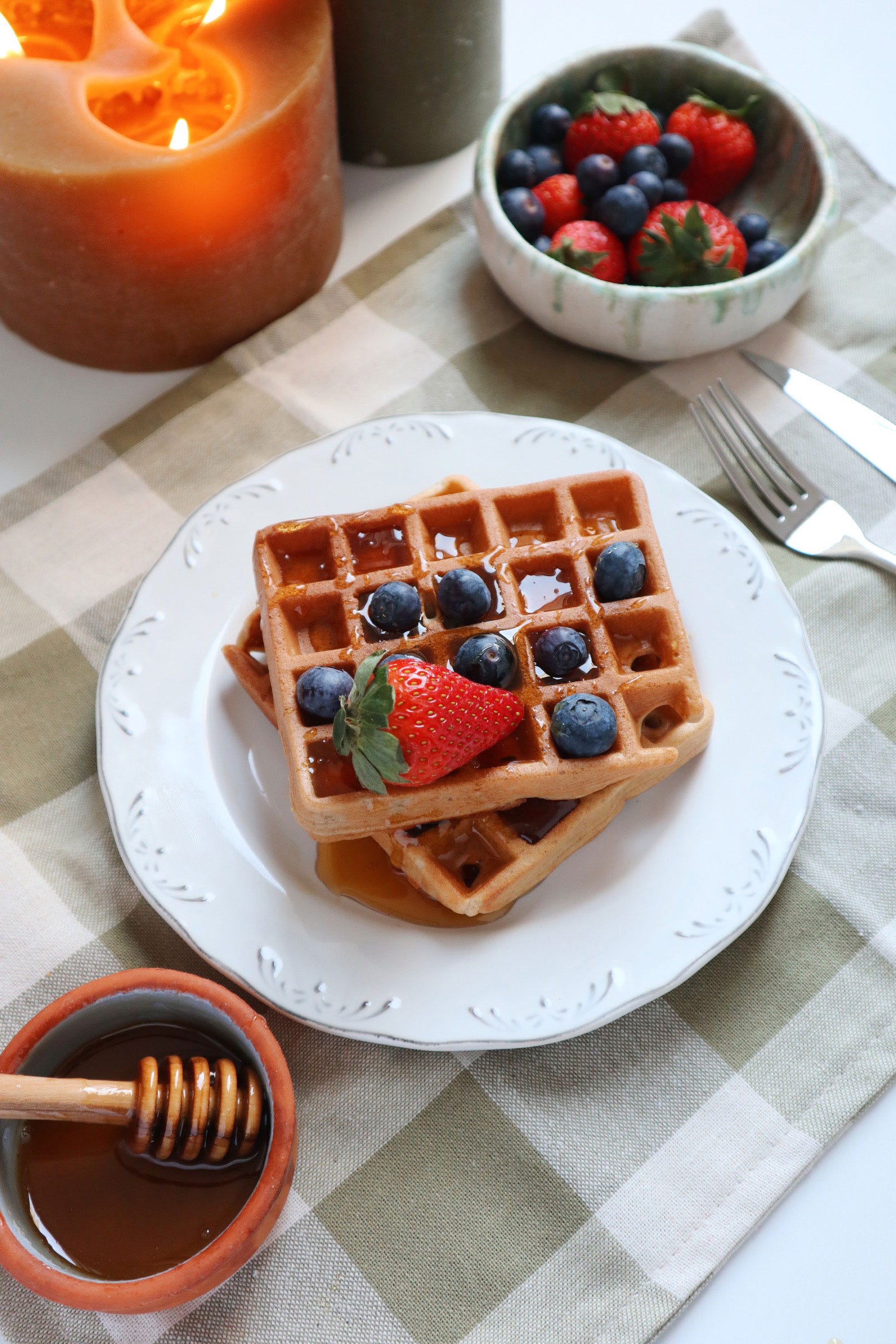
GLUTEN-FREE, LOW SUGAR BUCKWHEAT WAFFLES
These waffles are packed with wholesome goodness, naturally delicious, and so easy to make. Perfect for a healthy start without sacrificing flavor!

Difficulty: Beginner Prep Time: 20 mins
Cook Time: 20 mins Total Time: 40 mins
Servings:6
Description
These waffles are packed with wholesome goodness, naturally delicious, and so easy to make. Perfect for a healthy start without sacrificing flavor!
Ingredients
Servings
1 cup (200 g) Buckwheat Flour
1⁄3 cup (70 g) Corn Starch
2 tsp (10 g) Baking Powder
½ tsp (2 g) Salt
¼ cup (50 g) Coconut Sugar
1.5 cups (400 g) Greek Yogurt or Coconut Yogurt
2⁄3 cup (160 mL) Milk of Your Choice
1 tsp (5 mL) Vanilla Extract (Optional)
½ cup (120 mL) Olive Oil or Any Vegetable Oil
2 Large Eggs (separated into yolks and whites)
For Serving: (Optional)
Fresh Fruits, Honey, or Maple Syrup
Instructions
Preheat Your Waffle Maker:
Ensure your waffle maker is hot and ready to use.
Separate Eggs:
Carefully separate the egg whites from the yolks. Set aside the whites for later.
Combine Wet Ingredients:
In a bowl, mix together the egg yolks, Greek or coconut yogurt, milk or dairy-free milk, vanilla extract (if using), and olive or vegetable oil, and continue mixing until smooth.
Add Dry Ingredients:
To the wet mixture, sift in the buckwheat flour, corn starch, baking powder, salt, and coconut sugar. Stir until just combined; avoid overmixing to keep the batter light.
Whip Egg Whites:
In a separate bowl, beat the egg whites until stiff peaks form. This will help make your waffles fluffy.
Fold in Egg Whites:
Gently fold the whipped egg whites into the batter, ensuring not to deflate them. This step incorporates air and keeps the batter light.
Cook Waffles:
Spoon the batter into the preheated waffle maker. Close the lid and cook according to the waffle maker manufacturer’s instructions, typically until the waffle is crisp and cooked to your desired shade of golden-brown.
Serve:
Carefully remove the waffle from the maker. Serve hot with your choice of fresh fruits, honey, or maple syrup.
Note
Tips for Storing and Reheating:
Storing Waffles: You can keep the waffles in the refrigerator for up to 4 days. Ensure they are tightly covered or stored in an airtight container to maintain freshness.
Reheating Waffles: To reheat, preheat your oven to 380°F (170°C). Place the waffles on a baking sheet and heat for about 5 minutes, or until thoroughly warmed and slightly crispy.
Want more recipes like this? Get access to 500+ gluten-free recipes
+ Get Your $239 Welcome Gift Bundle FREE
That’s hundreds of recipes, tutorials, and guides, with two gorgeous hardcover cookbooks you’ll actually want on your kitchen shelf.

And it’s all risk-free for 30 days. If you don’t love it, simply cancel, no questions asked.